Japanese tansu chests are testaments to a fascinating era. These unique pieces add a touch of retro charm, durability and distinctiveness to modern homes.

Sato Magazine
Stories around Sato. A look back at the company's more than 25-year history.
-
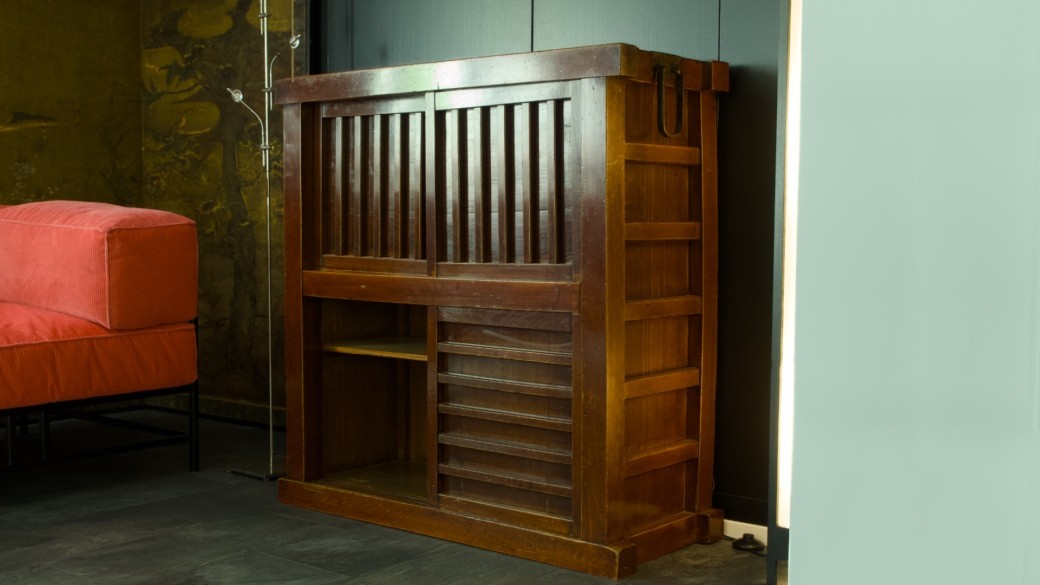 Tansu: Furniture with HistoryRead more
 -
 Tana: A Japanese shelf for your homeRead more
Japanese architecture is renowned for its functionality and aesthetics. One element that perfectly embodies these principles is the traditional Japanese wooden shelf.
-
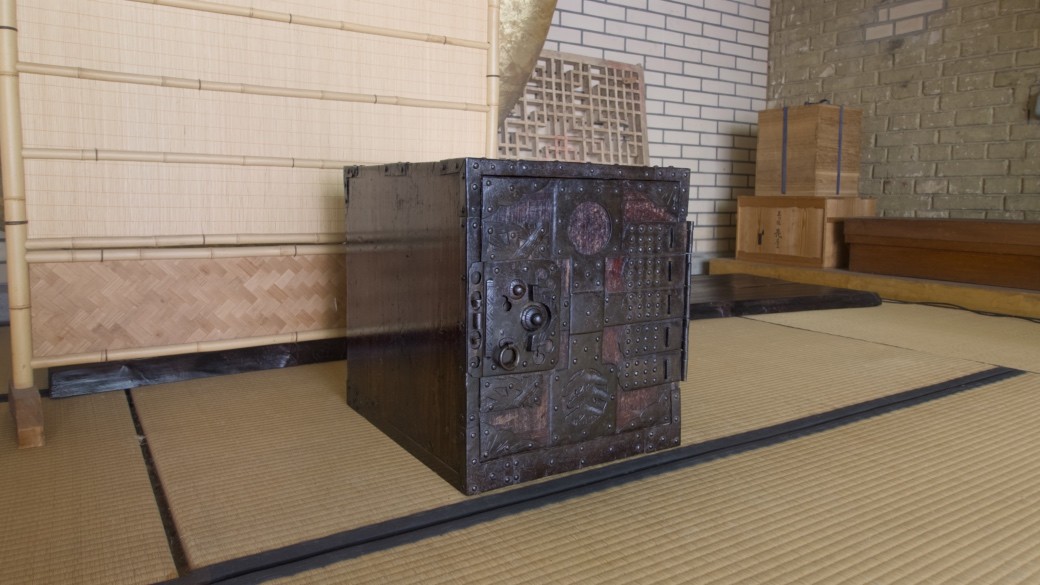 Funadansu: Antique Japanese SafesRead more
Funadansu are magnificently decorated antique Japanese safes from the Edo period. They represent the heyday of one of the most important shipping routes of the era.
-
 Antique Japanese Folding Screen for Your HomeRead more
Antique Japanese folding screens combine art and functionality. In living areas, they serve as stylish room dividers, decorative art objects and impressive backdrops.
-
 The All-Purpose Folding Table and Stool from JapanRead more
A folding table and a matching folding stool: a duo for more flexibility in the living area.
-
 Shizuko Yoshikawa Objects and Everyday Items from JapanRead more
An exhibition of Japanese artworks and everyday objects that surrounded the renowned graphic designer Shizuko Yoshikawa.
-
 The Art of the CircleRead more
Sanae Sakamoto has devoted her life to Japanese calligraphy – and to a motif that is at once utterly simple and impossible to resolve: the circle.
-
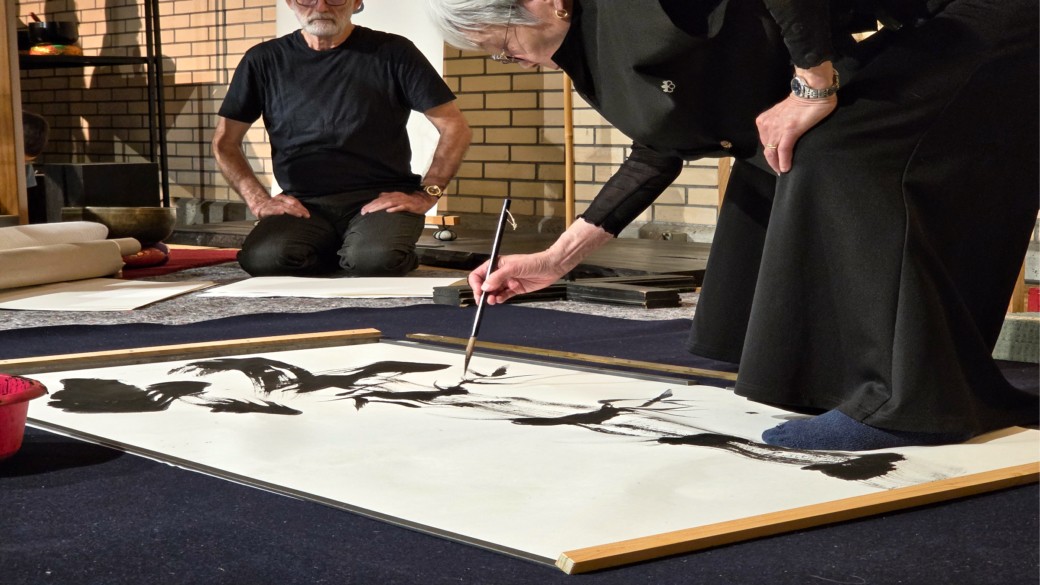 A Life's Work in Ink – The Sanae Sakamoto Exhibition at SatoRead more
From September 2025 to March 2026, Sato hosted a comprehensive solo exhibition by the Japanese artist Sanae Sakamoto. A look back.
-
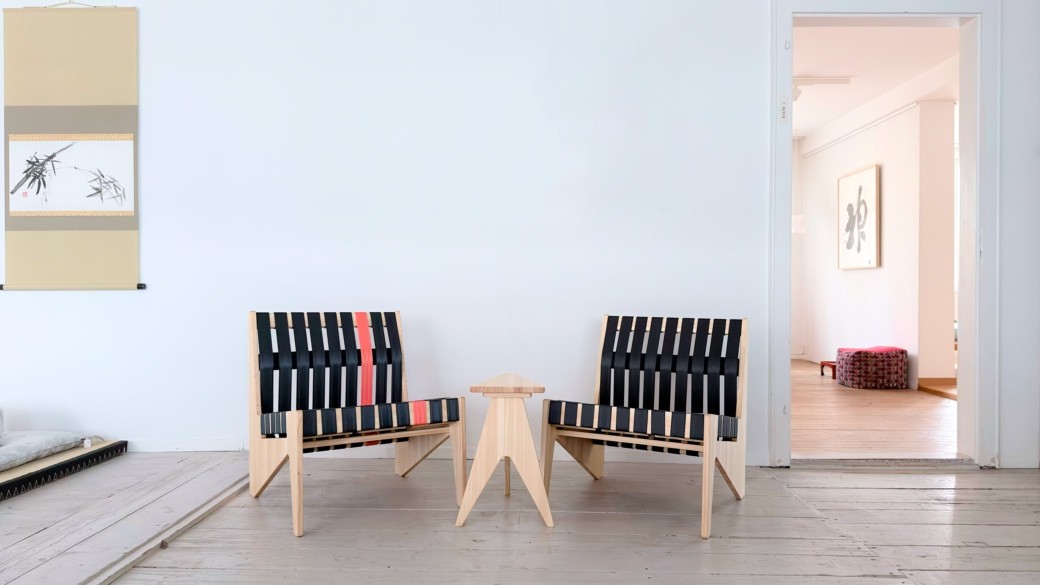 The Philosophy of ConnectionRead more
A Japanese design house transforms industrial waste into elegant lounge furniture – demonstrating how sustainable design is shaping the future of living.
-
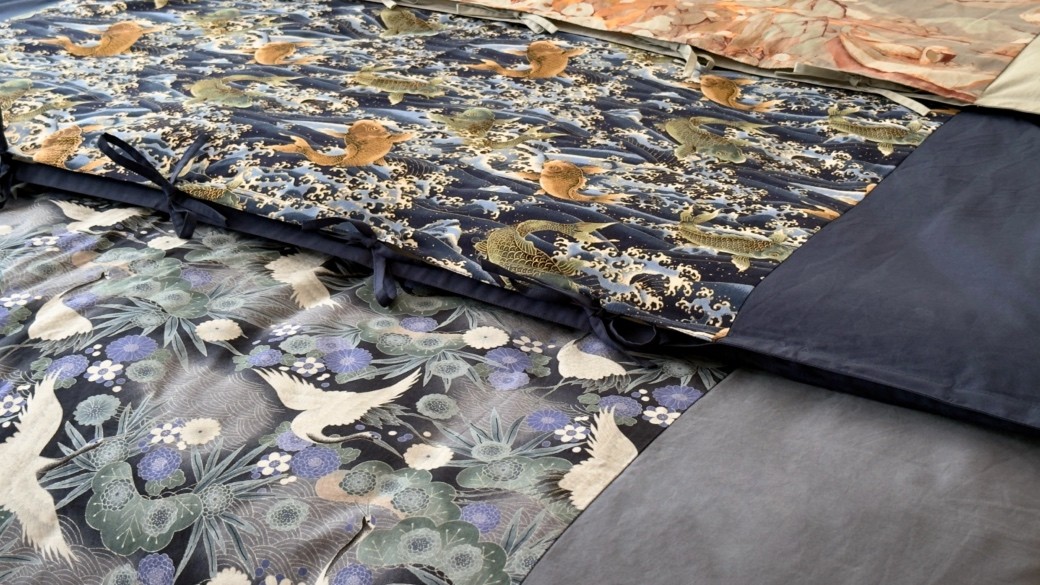 Duvet Covers with Japanese Patterns from the Sato StudioRead more
In our in-house Sato sewing studio, we create duvet covers that are more than just bedding – they are a tribute to craftsmanship.
-
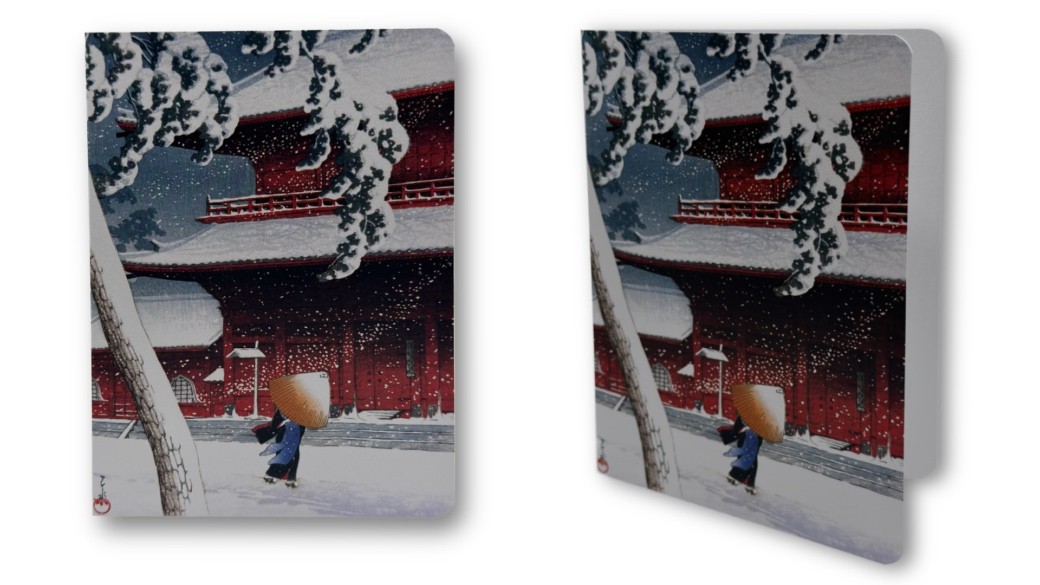 Silent Moments in Snow: Christmas Cards at SatoRead more
Poetic winter scenes as holiday greetings: Discover handpicked greeting cards from Japan at Sato.
-
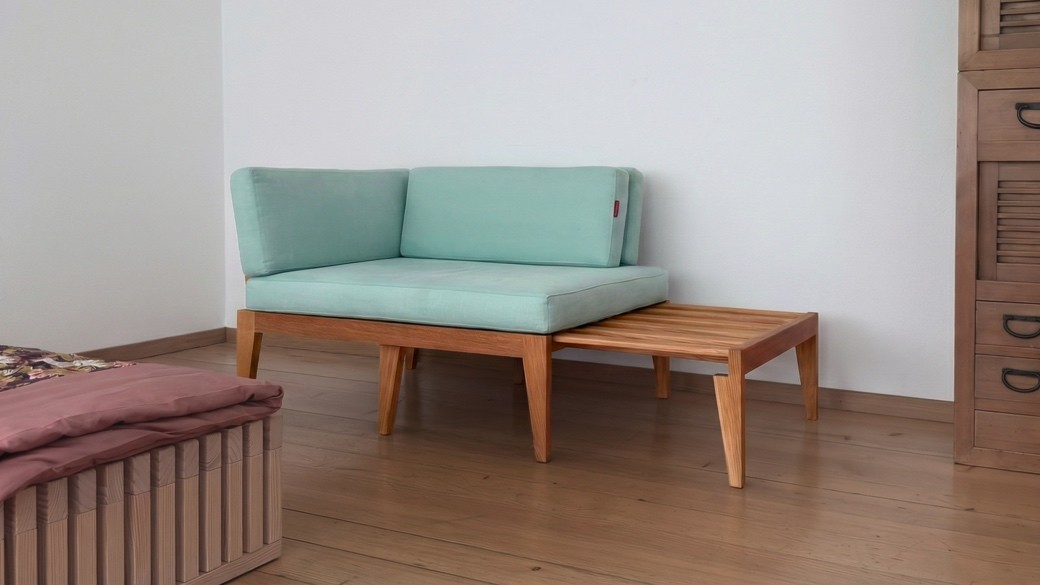 Eclettica: The Art of Elegant TransformationRead more
With a single motion, transform from armchair to chaise longue to a bed: Eclettica blends Japanese minimalism with European craftsmanship.
-
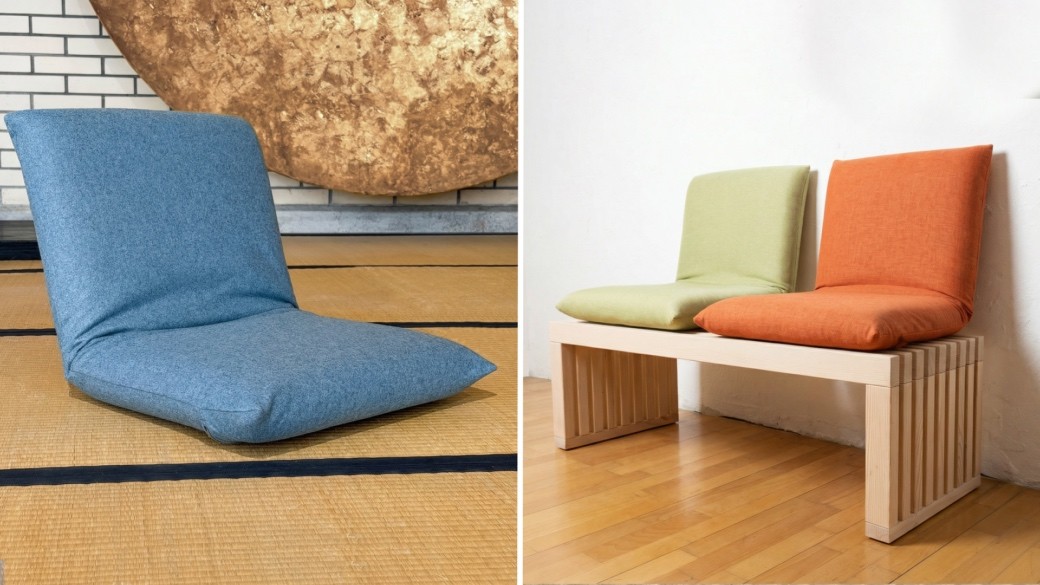 Tatami, Bench or Floor – the Folding Seat That AdaptsRead more
Compact, understated and more versatile than it looks – the Folding Seat brings the spirit of the Japanese zaisu into the European home.
-
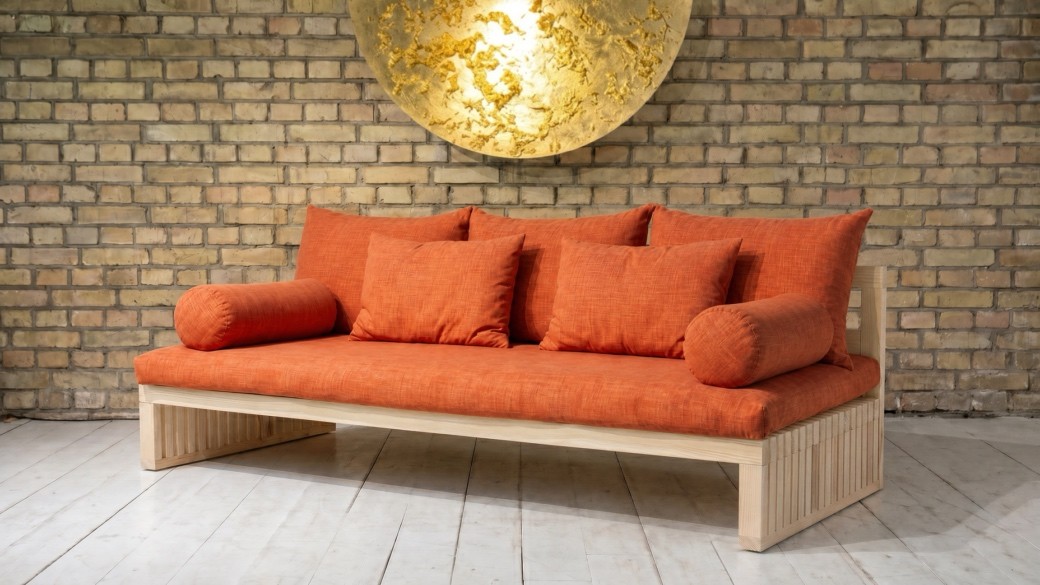 Tenshi Sofa: A Classic ReimaginedRead more
For 3 decades, the Tenshi has been one of Sato's best-selling pieces of furniture. Now the iconic bed becomes a fully functional sofa.
-
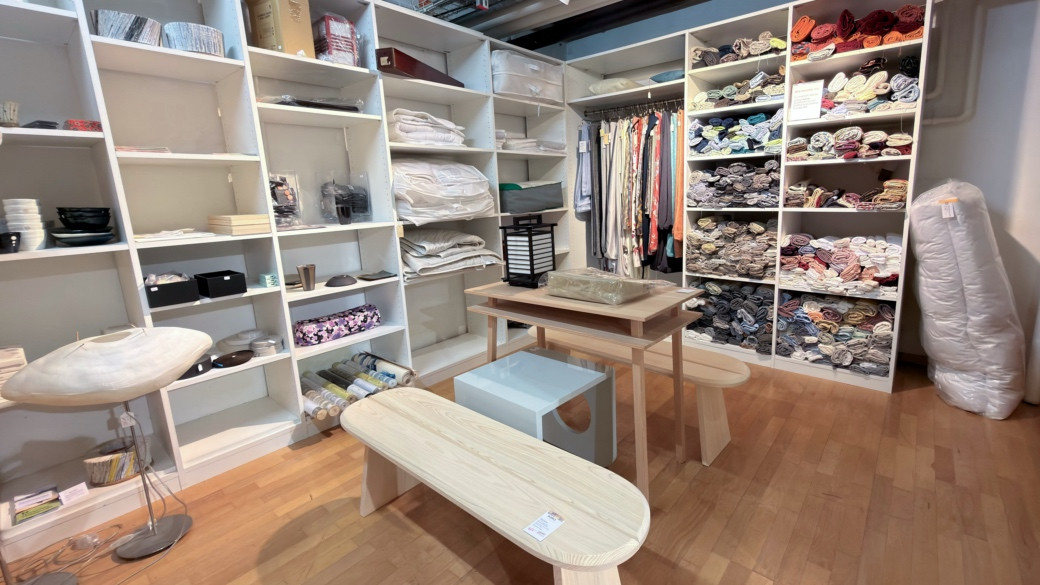 Treasures in the BasementRead more
In the basement of Sato at Ausstellungsstrasse 39 lies the Fundgrube — a treasure trove of furniture, textiles and accessories at reduced prices, just waiting to be discovered.
-
 Made to Order: The Sato Sewing AtelierRead more
At Sato, textiles are still made by hand and on site — to measure, to choice, to need. The in-house sewing atelier is a quiet countermovement to the logic of mass production.
-
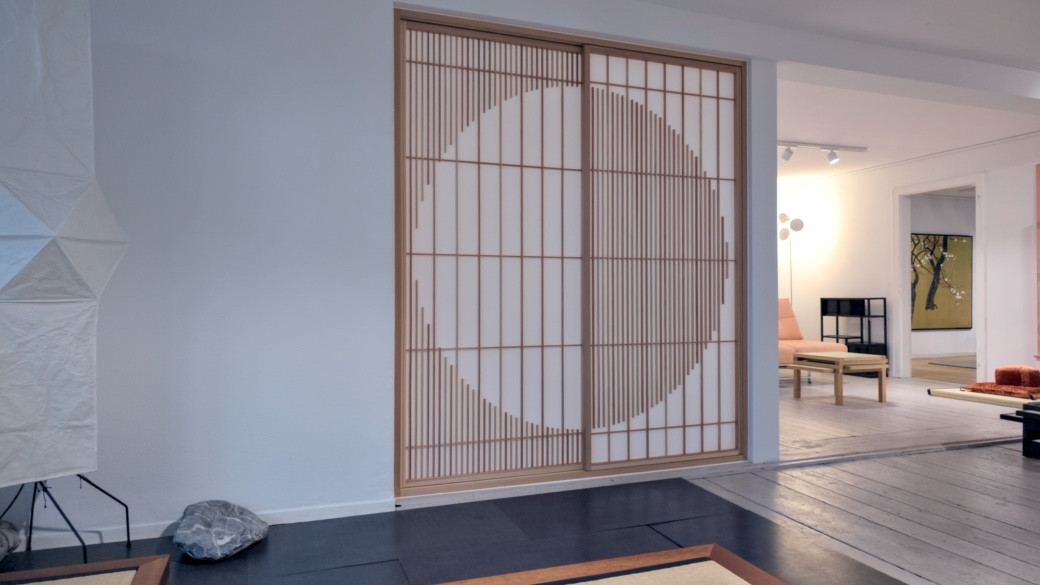 Shoji: Japan's Room Dividers, Made PoeticRead more
Shoji are Japan's traditional room dividers. A manufactory in Japan has reimagined them as poetic works of art for everyday life.
-
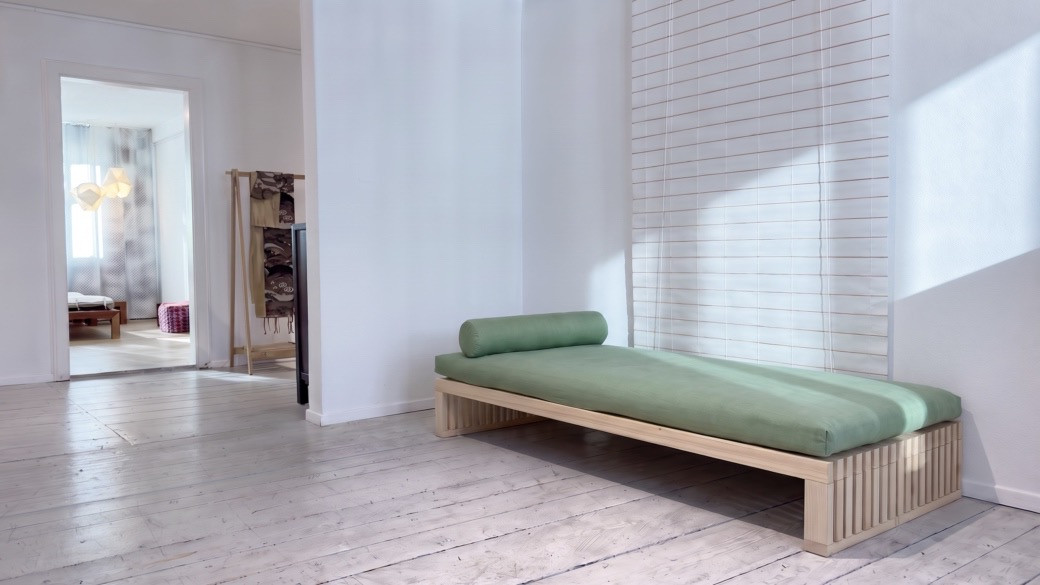 Tenshi Liege: The Essential DaybedRead more
Two modules, one futon and one neck pillow: a daybed and a bed in one. Made in Switzerland.